


The Rice Thresher: Researchers and Indigenous Groups Aim to Tell History of Native Land
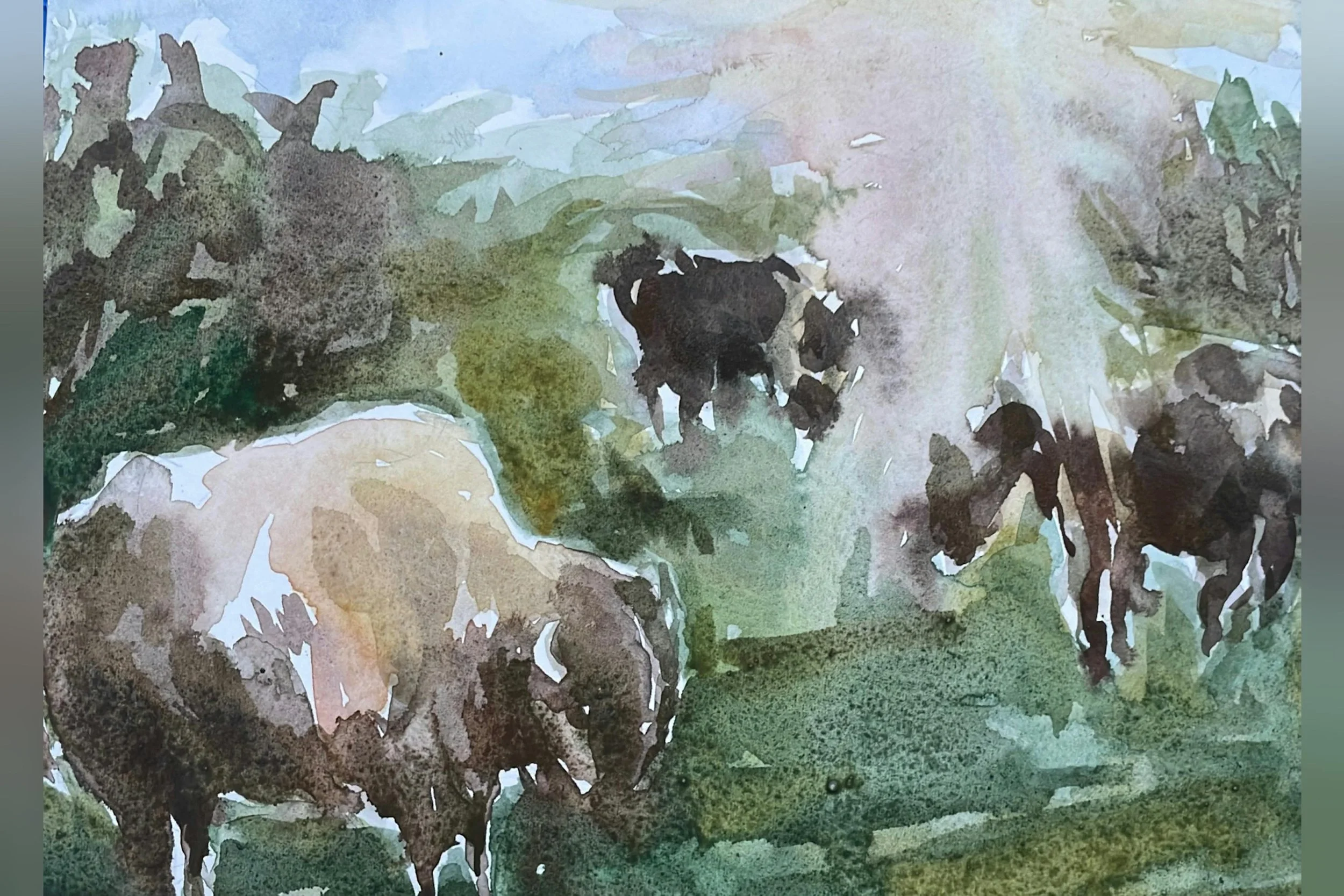
Years before Lovett Hall was built, buffalo herds roamed the coastal prairie ecosystems of the Houston area on land that Indigenous nations called their home. Now, Rice researchers and Indigenous partners across the state are collaborating to create a public archive of Indigenous people describing their personal histories, lives and identities in their own words.
The idea grew out of a partnership between the Texas Tribal Buffalo Project — a nonprofit that works with Indigenous communities across Texas — and Associate Director of the Center for Environmental Studies Weston Twardowski.
Since fall 2024, Twardowski’s team has recorded more than 30 oral histories with Indigenous people living across the state, totaling roughly 70 hours of interviews. These recordings are preserved and publicly available through the Woodson Research Center in Fondren Library.
Twardowski, the project’s principal investigator, said the archive is meant to give the public a way to see Indigenous life in Texas as something current and lived rather than confined to the past.
“It’s a publicly available digital tool for folks who want to understand what indigeneity in this moment looks like in Texas,” Twardowski said.
Alika Jimenez, a Duncan College junior who has been involved with the project for a year conducting interviews and helping code transcripts, described their role in collecting oral histories as collaborative and supportive.
“We were there to guide the conversation to wherever our participants wanted it to go,” Jimenez said. “It was really just a vessel for them to share any stories or experiences they wanted.”
That openness sometimes led to moments that would not have been possible in a scripted interview. Isabella Bourtin, a McMurtry College senior involved in the project from the start as a research assistant, said one of her most meaningful interviews required almost no prompting at all.
“I felt like we’d given him a space to share what he’d always wanted to share and get on record,” Bourtin said.
Bourtin, the founder of Rice’s Native American Student Association, noted that building a visible Indigenous presence on campus has been difficult.
“It’s been a struggle getting a lot of Indigenous representation on campus,” Bourtin said. “We have very few members.”
From the project’s start, the research team designed it as community-based research, considering how it would lead to knowledge that would advance Indigenous community goals. Texas Tribal Buffalo Project staff helped shape the interview questions, participated in early interviews and continue to review materials as the team moves toward publishing results.
“They co-own all of the material that we’ve collected,” Twardowski said. “They’re allowed to use that data however they like.”
For Charles Bush, that collaboration is essential. Bush develops curriculum for the Texas Tribal Buffalo Project and is an enrolled member of the Oglala Sioux Tribe from Pine Ridge, South Dakota. He is also a graduate student in tribal resources and environmental stewardship at the University of Minnesota Duluth.
“Data is the new gold of the 21st century,” Bush said. “A lot of Indigenous communities don’t have the resources or capacities to count themselves, to be able to get resources from the federal government.”
As the research team has begun analyzing interviews, one theme keeps emerging: Indigenous life in Texas does not follow a single lineage, geography or experience. The people the research team interviewed come from many different places, tribes and backgrounds, including families rooted in Texas for generations and others who arrived more recently from places like the Great Lakes, California or Mexico.
Chaney Hill, formerly a graduate student lead on the oral history project and now a lecturer in Rice’s environmental studies program who continues to work with the team, said the complexity of indigeneity in Texas is shaped by a history of border changes, colonization, assimilation and migration across regions.
“It’s become this really interesting tapestry of mixed indigenity,” Hill said. “There’s not the same kind of tribal boundary lines that exist in some other places in the U.S. It’s confusing, and it’s kind of quilted.”
Bush, who contributed his own oral history to the archive, said his life’s journey reflects that movement, having moved to San Antonio from outside of Texas.
“I participated in the oral history project just giving my perspective on indigeneity, academia, the stereotypes that might exist about Indigenous people in South Texas,” Bush said. “I am just a visitor, but I’m here just sharing my lived experiences as far as what it means to be Indigenous.”